A Trusted Facilitator For Peace
Sadly, the security problems in eastern DR Congo remain daunting. It appears it will take years to stabilize, and then only with the combined effort of local, national and international communities. Sectors in both North and South Kivu provinces are occupied by Rwanda-backed M23 rebels who continue to kill hundreds of civilians. Our province of Ituri in the far northeast remains embroiled in bloody conflicts between local rebels, some of them operating from Uganda. Uganda has sent thousands of soldiers into our province with no clear agenda. What is clear is that our two neighboring countries of Rwanda and Uganda are fueling ongoing conflicts and directly benefiting from them. Compounding the problem is that corruption within our country also stands in the way of a peaceful settlement to our crisis.
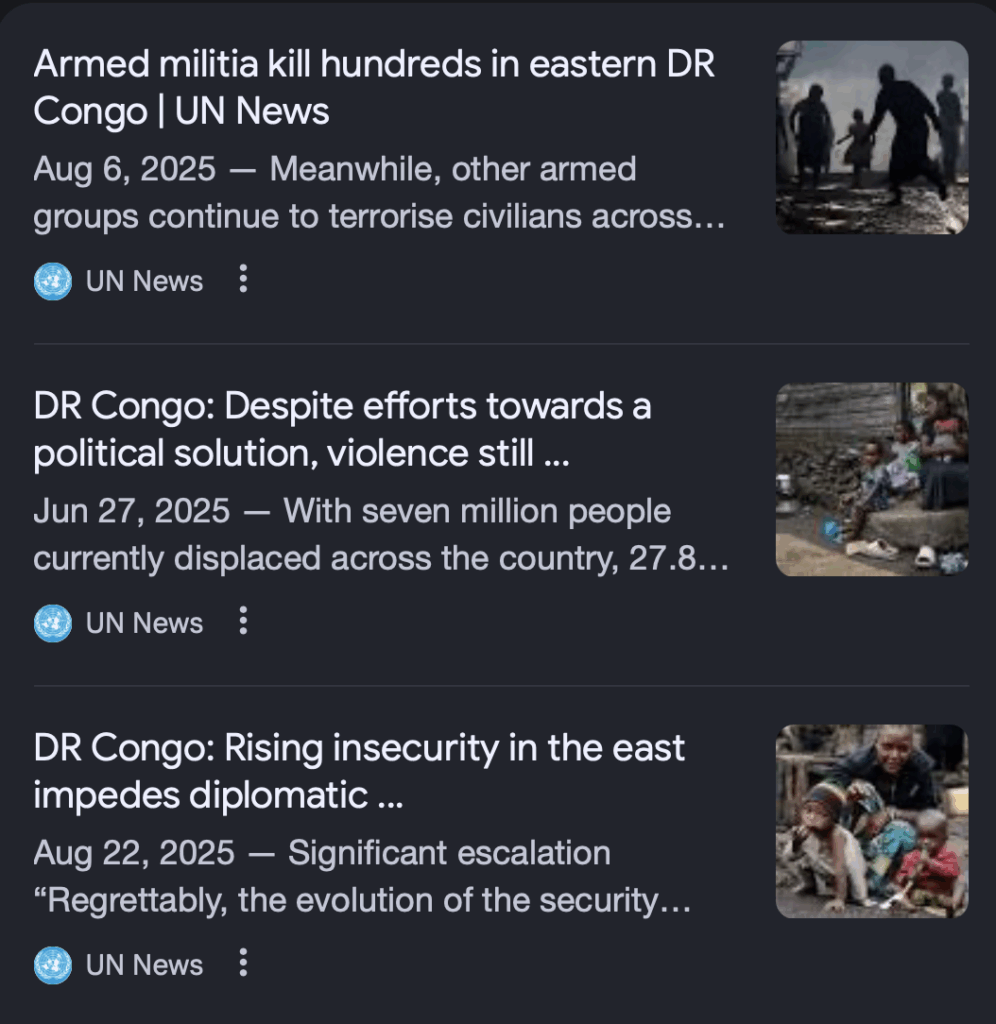
The image above is a snapshot of recent internet headlines on eastern DR Congo.
It is in this context of chaos that the Jeremiah Center is called to be light and salt in the darkness. The Jeremiah Center works to
- negotiate with rebels
- educate people in the way of peace
- help local churches remain symbols of hope
- help local communities unite against those who want to divide us.
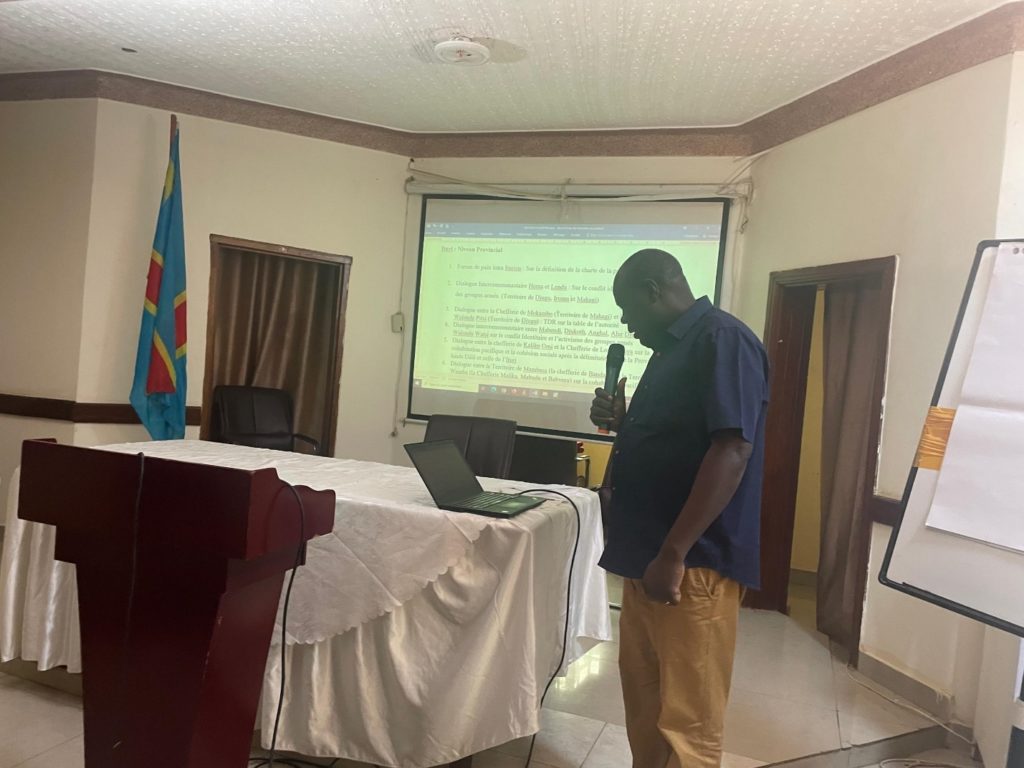
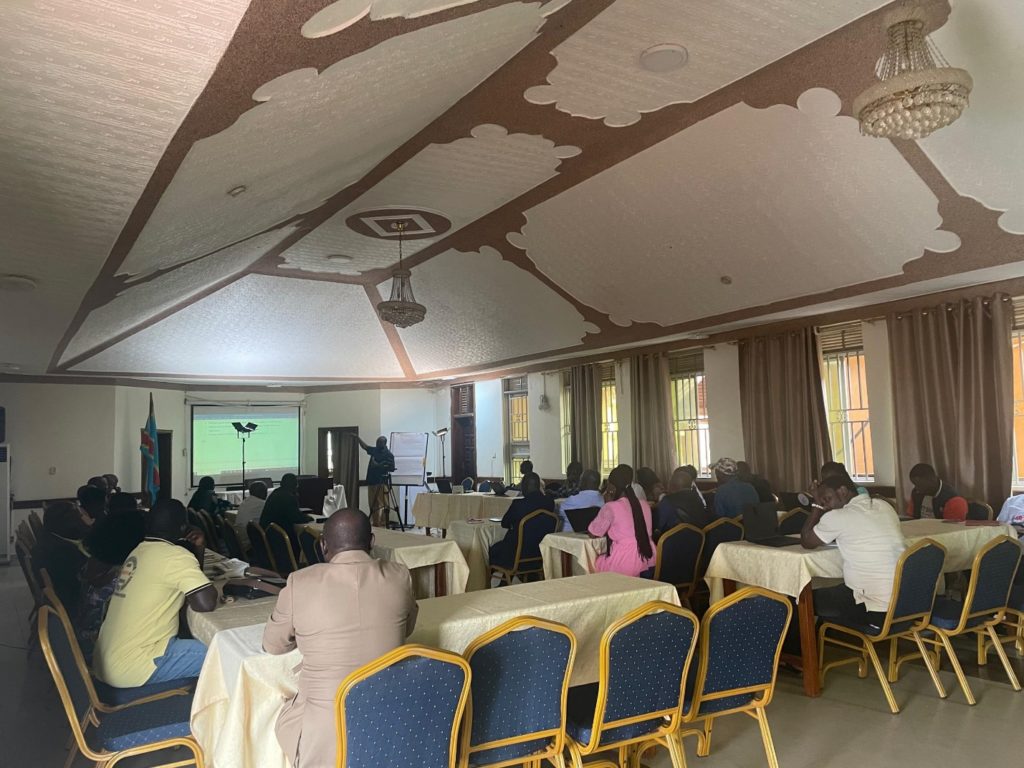
The pictures above come from the workshop on Mediation and Peace Building
Mediation and Peace Building
In our last newsletter, I shared how the Jeremiah Center navigated an intense crisis, even reaching out to rebel leaders in pursuit of peace. Now I’m excited to report further progress in Ituri Province: dialogue and local empowerment are beginning to transform conflict into cooperation.
From July 9–12, 2025, the Jeremiah Center was invited by the Governor of Ituri Province to help facilitate a workshop aimed at developing a Strategic Plan for Mediation and Peace Building in our Province. We convened the workshop with a remarkably inclusive group: government officials, UN representatives, NGOs, and community leaders from hotspot areas.
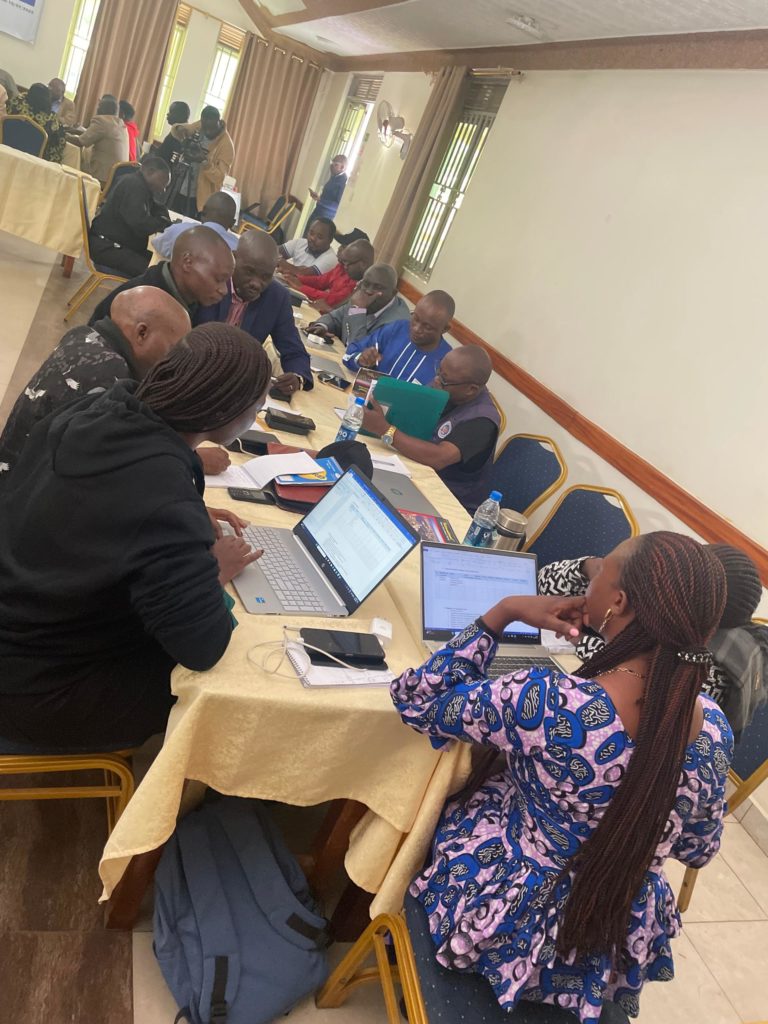
For four days, participants worked collaboratively to craft a consensus-based Provincial Mediation Plan – a roadmap guiding all peace efforts in Ituri. It identifies priorities for dialogue, highlights sensitive conflict zones, and outlines strategies to reconnect with armed groups while easing tensions in the communities. Equally important was the cooperative spirit that emerged from that meeting. By ensuring everyone had a voice, we fostered a shared vision: local leaders, officials, and partners left united and determined to listen to their communities and to pull in the same direction.
Today, this plan serves as a compass for peacebuilding across the province, proving that well-supported local processes can tackle even deeply entrenched conflicts. Through this achievement, the Jeremiah Center is steadily confirming its role as a trusted facilitator for peace and social cohesion in eastern DRC.
From Rebel Fighter to Farmer
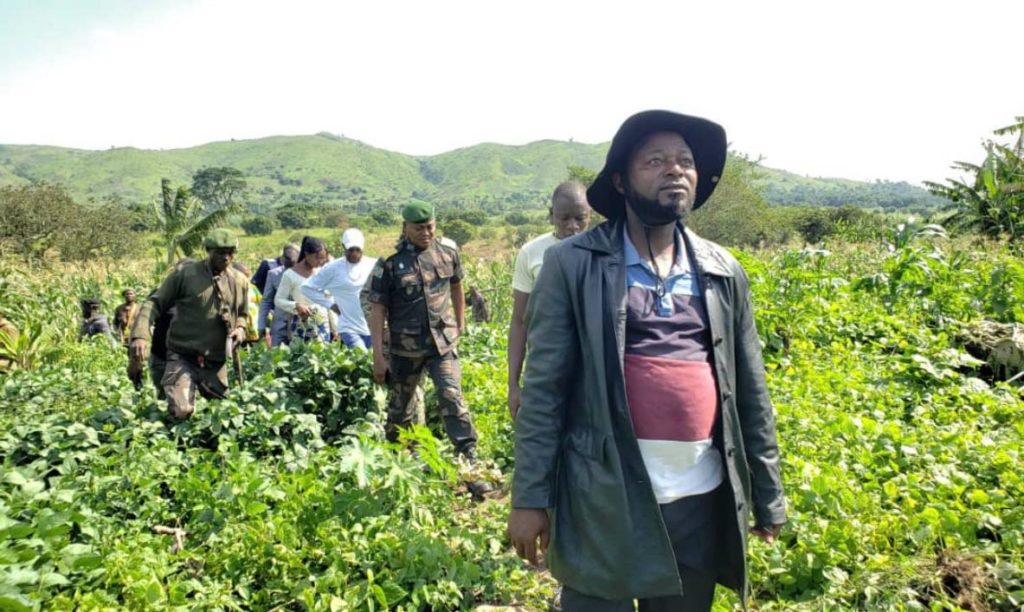
We are making excellent progress with our agriculture project that helps communities to work together and rebuild their lives. As you can see in the picture, one former rebel leader stands amid the tall, green maize at our community farm, reflecting on how drastically his life has changed. Not long ago, he led fighters into conflict and violence. Today, he tends crops that will feed the very communities he once terrorized. He speaks with emotion about trading weapons for farming tools, expressing gratitude for this second chance to build rather than destroy. Benefiting from the Jeremiah Center’s agriculture project, he has not only turned his own life around, but is also urging his former comrades to stop fighting and join him in working for peace and development. When the Irumu military county administrator went to visit his field, he testified: “I understand that war brings us nothing good. Today, I want to contribute to feeding my community and living in peace with my brothers. But we need support, in terms of equipment and training, to succeed in this reconversion.”
Flourishing Fields, Transforming Lives
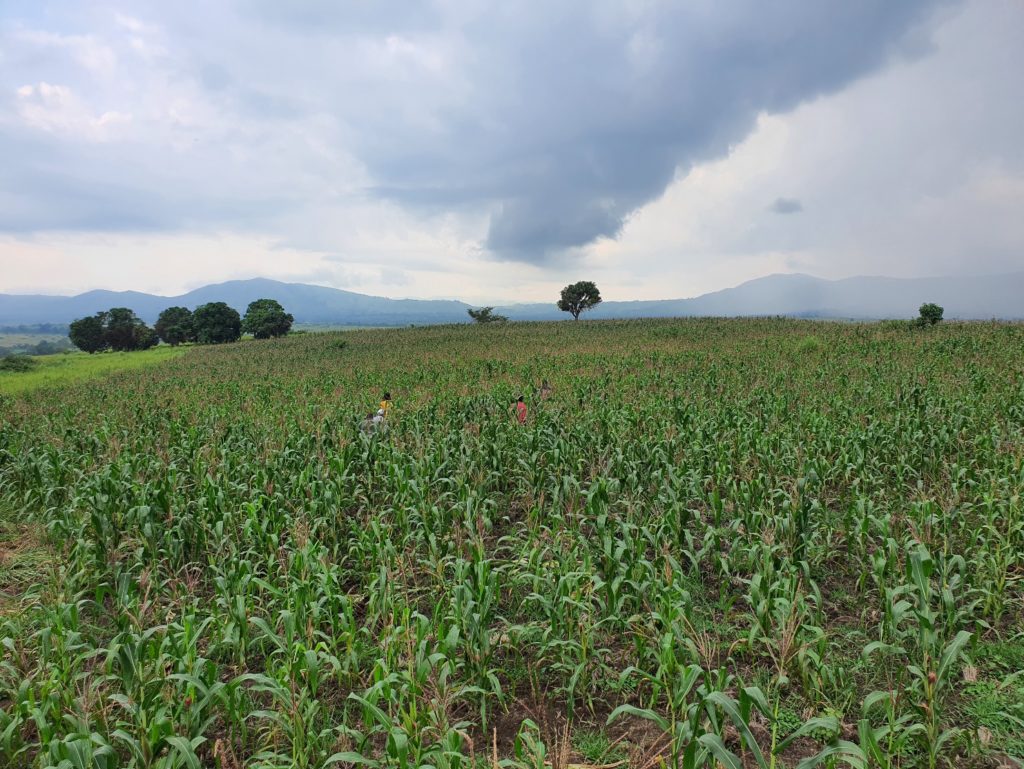
As the attached photo illustrates, our maize fields are flourishing – a vivid testament to the project’s success. The corn stalks stand tall and healthy, and we are on track for a very good harvest this season. We hope to harvest maize on 25 hectares (62 acres) during the next two months. This thriving farm is impacting the community by providing food, employment, and a renewed sense of hope for a better future. With the help of the single tractor that we donated to the community, local farmers are now cultivating more land than ever before, changing lives in the process.
~Katho
A request for support
A businessman in Congo offered to provide funds toward another tractor. Would you be willing to help us match or even exceed his support of $16,000 U.S. Dollars? The success of the first tractor project gives the team confidence and insight in how to effectively share this resource and train people in agriculture. The total cost, depending on which tractor and which options, comes in at $43,000.
We want to express our gratitude for your prayer and financial contribution towards our ministry. We praise the Lord for the provisions through your kindness.